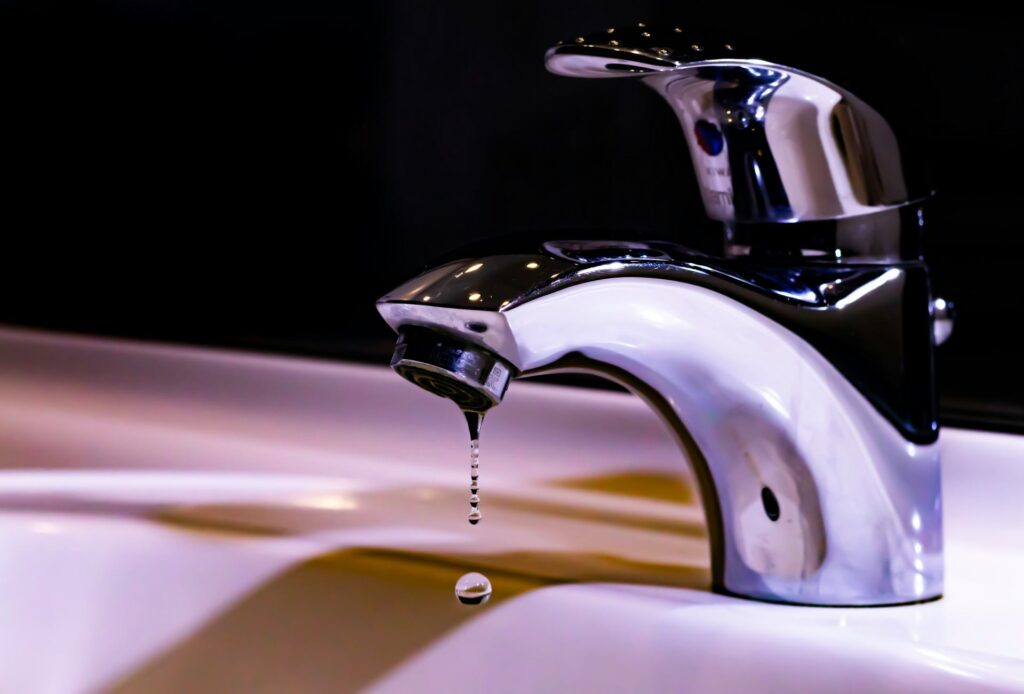

Rising utility costs and increasing environmental awareness have made homeowners more conscious about how water is used in everyday life. Plumbing upgrades are no longer just about fixing leaks—they’re strategic investments that enhance efficiency, sustainability, and long-term savings. By adopting smarter systems and modern fixtures, you can significantly cut water waste while improving comfort and functionality throughout your home.
Upgrading to water saving plumbing systems is one of the most effective ways to achieve both environmental and financial benefits. Modern plumbing technologies are designed to minimize water consumption without sacrificing performance. From low-flow fixtures to smart leak detection systems, these innovations help homeowners use water more responsibly while maintaining convenience.
Upgrade to High-Efficiency Fixtures
One of the easiest ways to start saving water is by replacing outdated fixtures with high-efficiency alternatives. Faucets, showerheads, and toilets account for a large portion of indoor water use, making them ideal targets for improvement.
Low-Flow Showerheads and Faucets
Modern low-flow fixtures use advanced aeration technology to maintain strong water pressure while using significantly less water. This means you can enjoy a comfortable shower experience without unnecessary waste.
Dual-Flush Toilets
Dual-flush systems allow users to choose between a full or partial flush, depending on the need. This simple upgrade can save thousands of gallons of water annually in an average household.
Install Smart Leak Detection Systems
Leaks are one of the most common causes of water waste, often going unnoticed for weeks or even months. Smart leak detection devices monitor water flow and alert you to irregularities in real time.
Benefits of Smart Monitoring
These systems can automatically shut off the water supply if a major leak is detected, preventing costly damage and conserving water. They also provide valuable insights into daily usage patterns, helping you make informed decisions.
Upgrade Your Water Heater System
Water heating accounts for a significant portion of energy and water usage. Switching to energy-efficient water heaters can improve both performance and sustainability.
Tankless Water Heaters
Unlike traditional models, tankless systems heat water on demand, eliminating standby energy loss. This not only saves energy but also reduces unnecessary water usage while waiting for hot water.
Insulated Pipes
Adding insulation to your plumbing pipes helps maintain water temperature, reducing the time it takes for hot water to reach your faucet. This minimizes wasted water and improves efficiency.
Optimize Outdoor Water Usage
Outdoor water use, especially for landscaping, can dramatically impact your utility bills. Implementing smarter irrigation systems can make a noticeable difference.
Incorporating strategies to reduce water bills starts with efficient outdoor practices. Drip irrigation systems deliver water directly to plant roots, minimizing evaporation and runoff. Additionally, using weather-based irrigation controllers ensures your lawn is watered only when necessary, preventing overuse.
Rainwater Harvesting
Collecting rainwater for gardening purposes is another sustainable option. It reduces reliance on municipal water supplies while promoting eco-friendly habits.
Eco-Friendly Plumbing Upgrades
Adopting eco plumbing solutions goes beyond just saving water—it’s about creating a more sustainable home environment. These solutions integrate advanced technologies with environmentally conscious design.
Greywater Recycling Systems
Greywater systems reuse water from sinks, showers, and laundry for non-potable purposes like irrigation. This significantly reduces overall water consumption.
Pressure-Reducing Valves
Excessive water pressure can lead to unnecessary waste and strain on your plumbing system. Installing a pressure-reducing valve ensures optimal flow while conserving water.
Key Plumbing Improvements to Consider
To make your home more efficient, focus on these impactful upgrades:
- Install low-flow showerheads and faucets
- Replace old toilets with dual-flush models
- Use smart leak detection devices
- Upgrade to tankless water heaters
- Implement drip irrigation systems
- Add pipe insulation for faster hot water delivery
- Consider greywater recycling systems
- Install pressure-reducing valves
Choose the Right Fixtures for Maximum Efficiency
Selecting efficient fixtures is essential for long-term water conservation. Look for products with WaterSense certification or similar standards, which ensure optimal performance while reducing water use.
Factors to Consider
When choosing fixtures, evaluate flow rate, durability, and compatibility with your existing plumbing system. Investing in high-quality products may have a higher upfront cost, but the long-term savings and reliability make it worthwhile.
Conclusion
Investing in modern plumbing upgrades improves efficiency, reduces waste, and lowers monthly expenses. From smart leak detection to high-efficiency fixtures, these improvements create a more sustainable and cost-effective home. By focusing on performance and conservation, homeowners can enhance comfort while making responsible choices that benefit both their budget and the environment for years to come.