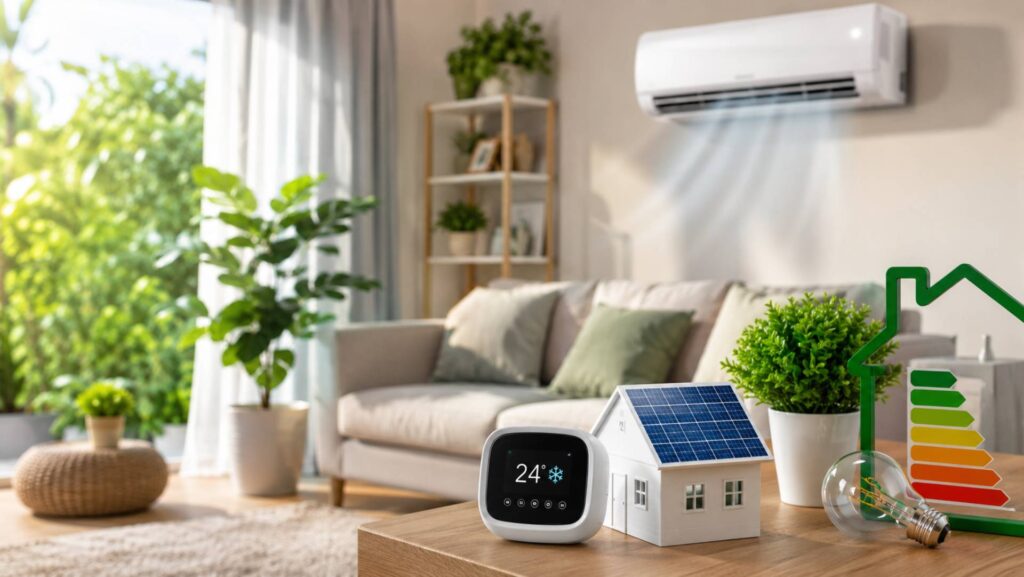

Keeping your home cool during hot weather does not have to mean accepting high energy bills. With the right cooling system, sensible settings, and a few changes around the home, you can maintain a comfortable indoor temperature while using less energy.
Energy-efficient cooling is not about keeping the air conditioner off all day. It is about making the system work smarter. Choosing efficient equipment, improving insulation, managing sunlight, and using cooling controls properly can all make a noticeable difference.
Whether you are upgrading an existing system or simply looking for ways to reduce your monthly electricity costs, these practical strategies can help you create a cooler and more efficient home.
Why Energy-Efficient Cooling Matters
Cooling can account for a significant share of household electricity use during hot weather. The harder an air conditioner has to work, the more energy it consumes.
Several factors can increase cooling demand, including poor insulation, air leaks, direct sunlight, dirty filters, outdated equipment, and unnecessarily low thermostat settings.
An efficient approach tackles these issues together.
For example, upgrading to a high-efficiency air conditioner may improve performance, but the benefits can be limited if cooled air escapes through poorly sealed windows or an inadequately insulated attic. Likewise, a smart thermostat cannot compensate for an oversized or poorly maintained cooling system.
The most effective solution is usually a combination of equipment, home improvements, and better usage habits.
Choose the Right Air Conditioning System
If your current cooling system is old, inefficient, or struggling to keep your home comfortable, replacing it may provide the biggest opportunity for long-term savings.
Modern air conditioners are designed to deliver more cooling with less electricity. When comparing systems, look at their efficiency ratings and make sure the equipment is properly sized for the property.
Bigger is not always better.
An oversized air conditioner may cool a room quickly but can cycle on and off too frequently. This can reduce efficiency and may make it harder to control indoor humidity. A properly sized system generally provides more consistent comfort.
For homes with different cooling requirements across rooms, zoning can also be useful. A zoned system allows different areas to be cooled according to how they are used rather than treating the entire property as one space.
Make a Smart Thermostat Work for You
A smart thermostat can help reduce unnecessary cooling by adjusting temperatures automatically according to your routine.
Instead of maintaining the same temperature throughout the day, you can create a schedule that reflects when people are actually home. The system can reduce cooling while everyone is away and return to a comfortable setting before you return.
Even without a smart thermostat, small temperature adjustments can help.
Rather than setting the air conditioner dramatically lower when the house feels warm, choose a reasonable temperature and give the system time to work. Setting the thermostat extremely low does not make the air conditioner cool the home proportionally faster.
Smart controls are most useful when they encourage consistent, efficient habits.
Improve Insulation Before Increasing Cooling
Good insulation helps keep unwanted heat outside and cooled air inside. This reduces the workload placed on your air conditioning system.
Pay particular attention to areas where heat transfer is common, such as:
- Attics and roof spaces
- Exterior walls
- Floors above unconditioned areas
- Around windows and doors
- Ductwork in unconditioned spaces
Air sealing is equally important. Small gaps around doors, windows, pipes, vents, and other openings can allow conditioned air to escape.
If your cooling system seems to run constantly but your home still struggles to stay comfortable, the problem may not be the air conditioner itself. Poor insulation or air leakage could be increasing the cooling load.
Keep Direct Sunlight Under Control
Sunlight can quickly heat rooms, particularly those with large windows facing the sun during the hottest part of the day.
Window coverings provide a simple way to reduce this heat gain. Curtains, blinds, shades, and exterior shading can help limit the amount of solar heat entering the home.
Close appropriate window coverings during the hottest periods and open them when outdoor conditions are cooler and natural light is useful.
For a longer-term solution, consider measures such as exterior shading, awnings, strategically placed trees, or other landscaping features. These can reduce direct solar exposure while improving the comfort of outdoor areas.
Use Natural Cooling When Conditions Allow
Air conditioning is not always necessary. When outdoor temperatures and humidity are comfortable, natural ventilation can help reduce the need for mechanical cooling.
Opening windows on cooler mornings or evenings can allow fresh air to move through the home. Cross-ventilation is particularly effective when windows or openings on opposite sides of a property can create a natural airflow path.
Ceiling fans and portable fans can also improve perceived comfort. They do not necessarily lower the room temperature, but moving air across the skin can make people feel cooler.
This means you may be able to use the air conditioner at a slightly higher setting while maintaining a comfortable environment.
However, windows should remain closed when outdoor air is significantly hotter or more humid than indoor conditions. Otherwise, natural ventilation can increase the cooling load rather than reduce it.
Maintain Your Cooling System Regularly
An efficient air conditioner still needs proper maintenance.
A clogged air filter can restrict airflow and make the system work harder. Depending on the type of filter, home conditions, and manufacturer recommendations, filters may need regular cleaning or replacement.
Keep outdoor condenser units clear of leaves, grass, dirt, and other debris. Restricted airflow around the outdoor unit can affect performance.
Professional maintenance can also identify problems before they become expensive repairs. A technician can inspect key components, check airflow, examine electrical connections, and look for signs of declining performance.
If you notice unusual noises, weak airflow, inconsistent temperatures, unpleasant smells, or frequent cycling, do not simply lower the thermostat. These may indicate that the system needs attention.
Reduce Heat Produced Inside the Home
Some everyday household activities generate more heat than you might expect.
Ovens, cooktops, dryers, and other heat-producing appliances can raise indoor temperatures. During particularly hot weather, consider using these appliances during cooler parts of the day where practical.
You can also reduce indoor heat by:
- Using outdoor cooking options when appropriate
- Choosing smaller appliances for simple meals
- Turning off unnecessary lights
- Using energy-efficient lighting
- Avoiding unnecessary use of heat-producing electronics
- Allowing appliances to cool properly after use
These changes may seem minor, but reducing internal heat gains can make the cooling system’s job easier.
Pay Attention to Ductwork
In homes with central air conditioning, ductwork plays an important role in overall efficiency.
Leaks, damaged ducts, poor insulation, or improperly designed duct runs can allow conditioned air to be lost before it reaches the rooms where it is needed.
Ducts located in hot attics or other unconditioned areas deserve particular attention. If these ducts are poorly insulated, the cooled air can gain heat before reaching its destination.
Uneven temperatures between rooms may also provide a useful clue. If one area is consistently much warmer than another, the cause could involve airflow, ductwork, insulation, windows, or system design.
Addressing the underlying problem is usually more effective than simply increasing overall cooling.
Do Not Ignore Humidity
Temperature is only one part of indoor comfort. Humidity can strongly affect how warm a home feels.
A well-functioning cooling system naturally removes some moisture from indoor air. Maintaining appropriate indoor humidity can therefore improve comfort without requiring extremely low thermostat settings.
If your home feels cool but damp, or you notice condensation and persistent musty smells, there may be an underlying moisture or ventilation issue that deserves investigation.
Controlling humidity can make a comfortable temperature feel more comfortable, potentially reducing the temptation to overcool the space.
Change a Few Everyday Cooling Habits
Technology helps, but your daily habits matter too.
Simple changes can reduce unnecessary energy consumption:
- Avoid extreme thermostat settings. Choose a comfortable temperature rather than trying to cool the house as quickly as possible.
- Use scheduled cooling. Reduce unnecessary operation when the home is empty.
- Close doors and windows while using air conditioning. This prevents cooled air from escaping.
- Use fans alongside air conditioning. Better air movement can improve comfort.
- Keep filters clean. Follow the equipment manufacturer’s maintenance recommendations.
- Limit heat-producing activities during the hottest hours.
- Use window coverings strategically. Block intense sunlight before it heats indoor spaces.
- Check for drafts. Seal obvious gaps around windows and doors where appropriate.
None of these measures requires a major renovation, yet together they can make cooling more efficient.
When Should You Upgrade Your Cooling System?
Repairing an existing air conditioner can make sense when the equipment is otherwise reliable and the problem is relatively minor. Replacement becomes more worth considering when the system is old, requires frequent repairs, struggles to maintain comfort, or produces steadily increasing energy costs.
Before replacing it, consider the entire home.
A new high-efficiency air conditioner will perform better when paired with good insulation, adequate airflow, sealed ductwork, and appropriate thermostat settings.
The goal should not simply be buying the most expensive equipment available. The goal is creating a cooling system that matches your home’s size, layout, climate, and actual needs.
Frequently Asked Questions
What is the most energy-efficient way to cool a home?
The most effective approach combines an appropriately sized efficient cooling system with good insulation, air sealing, smart temperature control, regular maintenance, and sensible daily habits.
Does setting the thermostat lower cool a house faster?
No. Setting the thermostat much lower does not generally make an air conditioner cool the home proportionally faster. It can simply cause the system to run longer in an attempt to reach the lower temperature.
Do ceiling fans reduce energy use?
Ceiling fans use electricity, but they can improve perceived comfort by moving air across the skin. This may allow you to set the air conditioner slightly higher while maintaining a comfortable feeling.
Is a smart thermostat worth it?
A smart thermostat can be useful if it helps you avoid unnecessary cooling when nobody is home and creates a consistent schedule. Its value depends on how you use your cooling system and the characteristics of your home.
How often should an air conditioner be maintained?
Follow the manufacturer’s maintenance recommendations for your specific system. Filters generally require more frequent attention than professional servicing, while the condition of the equipment determines when deeper inspection is appropriate.
Why is my air conditioner running constantly?
Continuous operation can result from extreme outdoor temperatures, an undersized or inefficient system, poor insulation, air leaks, restricted airflow, dirty filters, duct problems, or mechanical issues. If it happens regularly under normal conditions, professional inspection can help identify the cause.
Can insulation reduce cooling costs?
Yes. Effective insulation reduces heat transfer between the outside and conditioned areas of your home. This can reduce the amount of work required from the cooling system.
Should windows stay closed when the air conditioner is running?
Generally, yes. Open windows allow conditioned air to escape and outdoor heat and humidity to enter. Windows are better opened when outdoor conditions are cooler and more comfortable than indoors.
Conclusion
Energy-efficient cooling does not require choosing between comfort and lower energy costs. The best results come from combining efficient equipment with a home that supports its performance.
Start with the basics. Keep filters clean, manage sunlight, use your thermostat thoughtfully, improve insulation where needed, and reduce unnecessary indoor heat. If your cooling system is aging or struggling, consider whether an appropriately sized high-efficiency replacement would make financial sense over the long term.
Small improvements can add up. By cooling your home more intelligently rather than simply using more cooling, you can create a comfortable indoor environment while keeping energy use and monthly costs under better control.