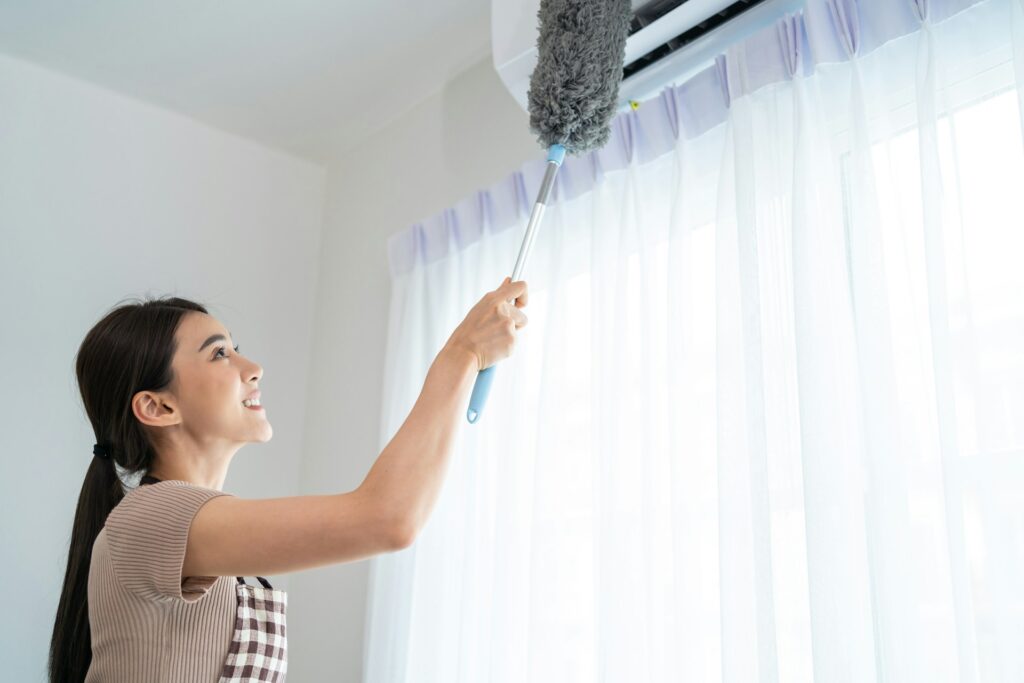

Most homeowners only think about their air conditioning system when it stops working. It’s easy to assume everything is fine as long as cool air is flowing. However, what many don’t realise is that neglecting regular upkeep can quietly lead to higher costs, reduced comfort, and unexpected breakdowns.
Keeping your AC system in top condition isn’t just about avoiding repairs. It’s about improving efficiency, extending lifespan, and creating a healthier indoor environment. When done consistently, maintenance delivers benefits that go far beyond what most people expect.
Why Most Homeowners Overlook AC Maintenance
Air conditioners often run quietly in the background, especially during hot months. Because they don’t demand attention daily, maintenance tends to fall off the priority list.
Many homeowners assume that if the system is cooling properly, there’s no need to inspect it. Others simply forget to schedule service until a problem arises. This reactive approach may seem harmless at first, but it often results in bigger issues over time.
The reality is that small, unnoticed problems—like clogged filters or minor refrigerant issues—can slowly affect performance. Without regular attention, these issues compound and eventually lead to costly repairs or system failure.
The Financial Benefits of Keeping Your AC Maintained
One of the most compelling reasons to maintain your AC system is the financial savings it offers. A well-maintained system operates more efficiently, meaning it uses less energy to cool your home.
Lower energy consumption translates directly into reduced utility bills. Over time, these savings can add up significantly, especially during peak summer months when cooling demand is highest.
Maintenance also helps identify minor issues before they escalate. Fixing a small component early is far less expensive than dealing with a major breakdown later. In fact, many costly repairs are preventable with simple, routine servicing.
How small issues turn into expensive problems
A dirty coil, for example, forces the system to work harder, increasing wear and tear. Left unchecked, this can lead to compressor failure—one of the most expensive AC repairs.
Long-term return on maintenance
Consistent servicing reduces emergency repair costs and delays the need for full system replacement, offering strong long-term value for homeowners.
Improved Energy Efficiency and Performance
An air conditioning system that receives regular care performs noticeably better. Clean filters, properly calibrated components, and unobstructed airflow all contribute to optimal operation.
When your AC is running efficiently, it cools your home faster and maintains a consistent temperature. You’ll notice fewer hot spots and less strain on the system during extreme heat.
Efficient systems also cycle less frequently, reducing wear on internal components. This not only improves comfort but also supports long-term durability.
Extending the Lifespan of Your AC System
Air conditioners are a significant investment, and most homeowners expect them to last for many years. However, without proper care, even high-quality systems can wear out prematurely.
Regular inspections help ensure that all parts are functioning correctly and that potential issues are addressed early. This proactive approach significantly extends the life of your unit.
Investing in routine AC maintenance allows your system to operate under optimal conditions, reducing unnecessary strain and helping it last closer to its expected lifespan—or even longer. Over time, this simple practice can delay the need for costly replacements.
Better Indoor Air Quality for Healthier Living
Your AC system plays a crucial role in maintaining indoor air quality. It doesn’t just cool the air—it also filters out dust, allergens, and other airborne particles.
When filters and components are not cleaned regularly, they can become clogged with debris. This reduces airflow and allows pollutants to circulate throughout your home.
Routine servicing ensures that filters are replaced or cleaned as needed, improving air quality and creating a healthier environment. This is especially important for households with children, elderly individuals, or anyone with respiratory concerns.
Maintaining clean airflow also reduces unpleasant odours and helps your home feel fresher overall.
Preventing Unexpected Breakdowns During Peak Seasons
Few things are more frustrating than an AC breakdown in the middle of a heatwave. Unfortunately, this is exactly when systems are under the most strain—and when service providers are busiest.
Preventive care reduces the likelihood of sudden failures by ensuring that all components are functioning properly before peak usage begins. Scheduling routine AC maintenance ahead of summer allows technicians to detect worn-out parts, refrigerant leaks, or electrical issues early.
Signs your AC needs attention
- Unusual noises or vibrations
- Weak airflow or uneven cooling
- Higher-than-normal energy bills
Preventive vs reactive approach
A preventive approach keeps your system reliable and avoids the inconvenience and discomfort of emergency repairs.
Environmental Benefits of an Efficient AC System
Energy efficiency isn’t just good for your wallet—it’s also beneficial for the environment. Air conditioners that run efficiently consume less electricity, which reduces overall energy demand.
Lower energy usage means fewer greenhouse gas emissions associated with power generation. This makes regular maintenance a small but meaningful step toward more sustainable living.
By keeping your system in peak condition through routine AC maintenance, you contribute to reducing your household’s environmental footprint while maintaining comfort.
Conclusion
Maintaining your air conditioning system is one of the simplest yet most effective ways to protect your home, your comfort, and your budget. While it’s easy to overlook routine care, the long-term benefits are too significant to ignore.
From lowering energy bills to improving air quality and preventing costly breakdowns, regular upkeep ensures your AC system performs at its best year after year. Taking a proactive approach today can save you time, money, and stress in the future—making maintenance not just a task, but a smart investment.