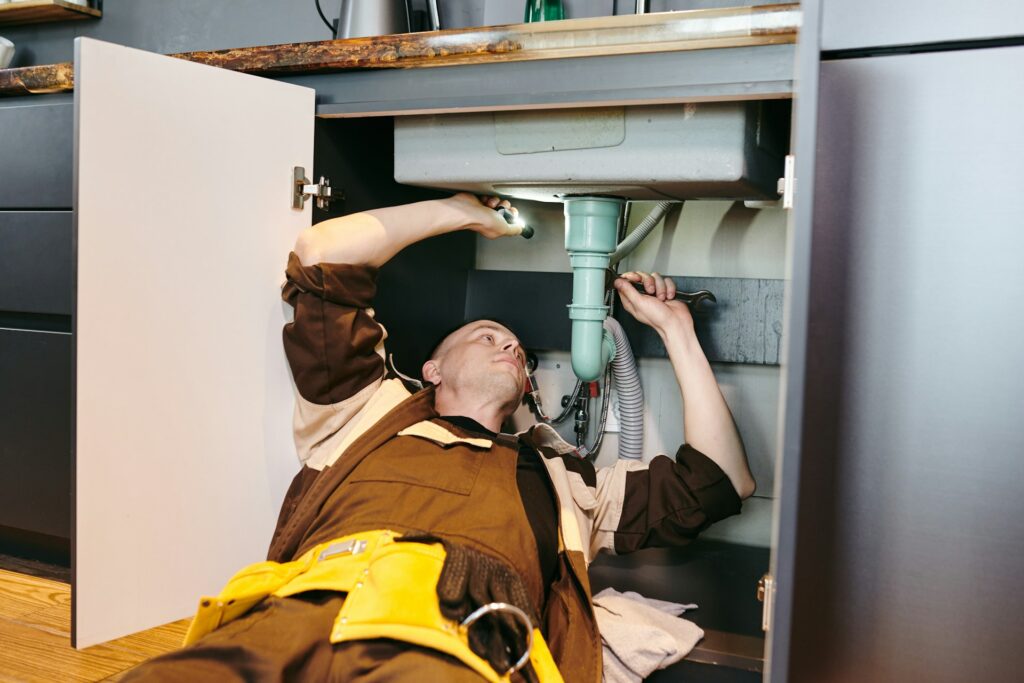

A plumbing emergency can turn a normal day into a stressful one within minutes. A burst pipe, overflowing toilet, leaking water heater, or blocked drain can damage floors, walls, furniture, and electrical systems. Acting quickly can reduce the damage, but it is just as important to stay calm and avoid making the situation worse.
If the problem is beyond a simple household fix, getting emergency plumbing help in Reno can be the safest way to protect your home and restore essential plumbing services. Before professional assistance arrives, homeowners should control the immediate risk and provide clear details about what has happened so the problem can be assessed quickly.
Shut Off the Water Supply
The first priority in many plumbing emergencies is stopping the flow of water. If a pipe has burst or a fitting has failed, turn off the nearest isolation valve. For a larger leak, shut off the main water supply to the property.
Every homeowner should know where the main stop valve is before an emergency happens. Its position varies between homes, so locating it in advance can save valuable time. If the leak cannot be controlled safely, seeking emergency plumbing help in Reno can prevent the situation from becoming more serious.
Watch for Electrical Risks
Water and electricity can create a serious safety risk. If water is leaking near sockets, appliances, wiring, or the electrical panel, keep away from the affected area and avoid touching anything electrical with wet hands.
If you can safely reach the consumer unit without stepping into standing water, switch off power to the affected area. If there is any doubt about electrical safety, leave the area and contact a qualified electrician or plumber rather than taking unnecessary risks.
Handle an Overflowing Toilet Carefully
An overflowing toilet can quickly spread contaminated water across the bathroom floor. Start by closing the water supply valve behind or beside the toilet. Do not continue flushing, as this can cause more water to overflow.
For a simple blockage, a plunger may help clear the toilet. Avoid pouring several chemical drain cleaners into the bowl or forcing unsuitable objects into the pipe, as this may damage the plumbing and make the blockage harder to repair.
Limit Water Damage
Once the water flow is under control, move furniture, rugs, electronics, and other valuable items away from the affected area if it is safe to do so. Use buckets or towels to contain smaller leaks and remove standing water where possible.
Open windows or doors to improve ventilation and help damp areas dry. It is also sensible to take photographs of visible water damage before cleaning everything up, especially if you may need the images for insurance or repair records.
Check the Water Heater
Water collecting around a water heater should not be ignored. If you can safely do so, turn off the water supply to the appliance. For an electric water heater, the power supply should also be switched off at the correct circuit before anyone works near it.
Do not attempt to repair a damaged water heater unless you have the required knowledge and experience. Leaks may come from pipes, valves, fittings, or the tank itself, and a professional inspection can determine whether a repair or replacement is necessary.
Avoid Risky DIY Fixes
Quick fixes may seem useful during a plumbing emergency, but unsuitable sealants, incorrect fittings, or harsh chemicals can make the problem worse. Avoid taking pipes apart or attempting major repairs when you are unsure how the plumbing system works.
Instead, focus on controlling the immediate damage and gathering useful information. Note where the problem started, when it began, whether the water supply has been turned off, and whether you noticed unusual sounds, smells, or changes in water pressure.
Know When the Problem Is Urgent
Some plumbing problems can wait for a routine appointment, while others require prompt attention. Burst pipes, major uncontrolled leaks, sewage backing up into the home, severe toilet overflows, and substantial water heater leaks should be treated seriously.
A plumbing issue is usually urgent when it threatens the property, creates a hygiene concern, interrupts the home’s essential water supply, or presents a safety risk. Acting early can often prevent a smaller problem from developing into more extensive damage.
Prepare for Future Plumbing Emergencies
A little preparation can make future plumbing emergencies easier to manage. Make sure everyone in the household knows where the main water shut-off valve is located and how to use it. Keep basic items such as buckets, towels, a plunger, and a torch somewhere easy to reach.
It is also useful to check visible plumbing from time to time for signs of leaks, corrosion, dripping fittings, or unusual moisture. Small problems are often easier to address before they develop into urgent repairs that disrupt daily life.
Conclusion
A sudden plumbing emergency requires fast but careful action. Start by stopping the water supply, checking for electrical dangers, and protecting the surrounding area. Avoid risky repairs that could damage pipes, appliances, or fittings further.
Knowing how to respond before a plumber arrives can help protect your home and reduce unnecessary damage. With basic preparation and sensible action, homeowners can manage the first stages of a plumbing emergency more safely and effectively.