


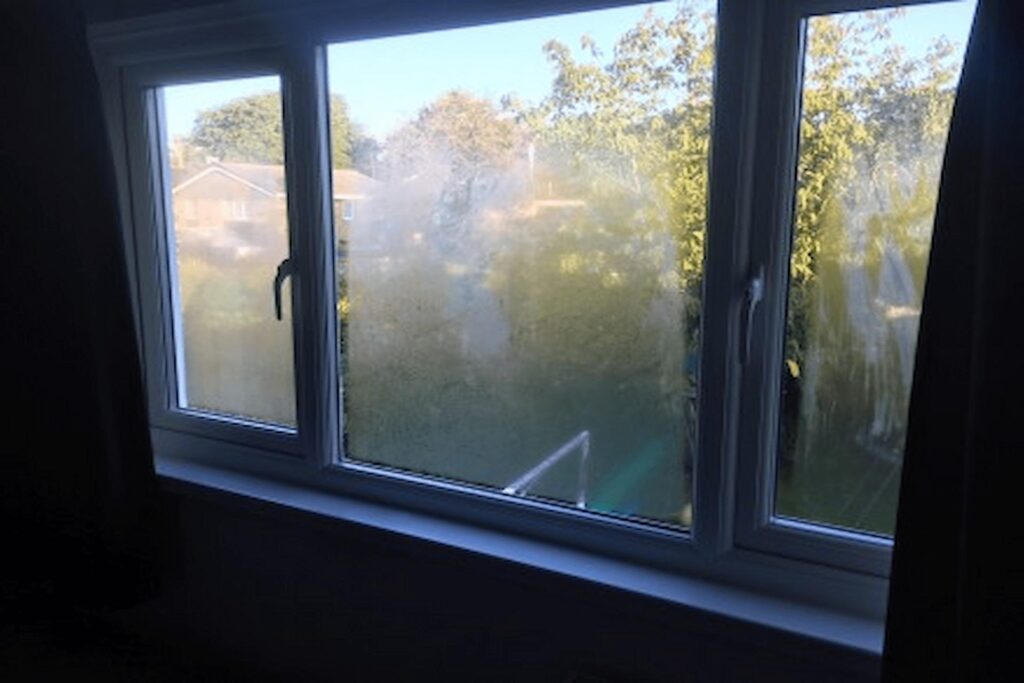
Double glazing has become a standard feature in homes across the UK, prised for its ability to improve insulation, reduce noise, and enhance security. Yet many homeowners eventually notice an unwelcome change: a hazy, misty appearance trapped between the panes. This is more than just a cosmetic nuisance. It signals that your windows are no longer performing as they should. Understanding why this happens and what it means for your property can help you make informed decisions before minor issues escalate into costly problems.
One of the most effective responses when this occurs is professional misted double glazing replacement, which restores clarity, efficiency, and comfort without the disruption of a full window overhaul.
How Double Glazing Works
Modern double-glazed units consist of two (or sometimes three) panes of glass separated by a spacer bar and sealed around the edges. The gap between the panes is typically filled with dry air or an inert gas such as argon, which provides thermal insulation. The entire assembly relies on a robust perimeter seal to keep moisture and contaminants out.
When the seal remains intact, the unit functions efficiently, keeping warmth inside during winter and heat out in summer. However, over time, that critical seal can degrade, allowing humid air to infiltrate the space. Once moisture enters, it condenses on the inner surfaces of the glass when temperatures fluctuate, creating the characteristic misty or foggy effect.
The Science Behind the Mist
The mist you see is condensation formed by water vapour that has breached the sealed unit. Because the moisture is trapped between the panes, it cannot be wiped away from either the inside or outside of the window. On colder mornings or during rapid temperature changes, the effect becomes particularly noticeable.
This phenomenon is not random. Glass itself is a poor insulator compared to the gas-filled cavity, so temperature differences between the room and the outdoors put constant stress on the edge seal. Over years of expansion and contraction, tiny imperfections can develop into larger breaches. In some cases, the desiccant material inside the spacer bar — designed to absorb any initial residual moisture — becomes saturated, leaving the unit unable to cope with further ingress.
Common Causes of Seal Failure
Several factors contribute to double glazing losing its seal. Age is the most obvious culprit. Most sealed units have an expected lifespan of 15 to 25 years, depending on quality and conditions. Units installed in the 1990s or early 2000s are now reaching the end of their reliable service life in many homes.
Poor initial installation can accelerate failure. If the glazing is subjected to undue stress from incorrect fitting, or if the frames are not properly maintained, the seals can crack or separate prematurely. Exposure to extreme weather also plays a role. Coastal properties in particular face challenges from salt-laden air, while homes in areas with frequent freeze-thaw cycles experience more rapid material fatigue.
Manufacturing variations can occasionally be to blame. While reputable suppliers maintain high standards, older or budget units may have used lower-grade spacers or sealants that degrade faster. Even high-quality windows are not immune forever; everything has a service life.
Recognising the Signs
Misting between the panes is the clearest indicator, but other symptoms often accompany it. You may notice increased condensation on the room-side glass during cold weather, higher heating bills, or a general feeling of draughtiness. In severe cases, the misty appearance can turn into visible water droplets or even staining on the glass surfaces.
It is important to distinguish between normal surface condensation and failed sealed units. Condensation on the inside of the glass is often linked to ventilation or humidity levels within the home. Misting trapped inside the unit itself almost always points to seal failure.
The Real Impact on Your Home
Beyond aesthetics, failed double glazing compromises several key functions. Thermal performance drops significantly. Instead of providing effective insulation, the compromised unit can act as a thermal bridge, allowing heat to escape and increasing your energy consumption. According to industry estimates, replacing failed units can improve a home’s energy efficiency noticeably, particularly in older properties.
Sound insulation also suffers. The gas-filled gap that helps dampen external noise becomes less effective once moisture is present. Security can be indirectly affected too; while the glass remains intact, the overall integrity of the window unit is reduced.
From a property perspective, misted windows can detract from curb appeal and potentially raise concerns during surveys or valuations. Prospective buyers are often wary of homes with visible glazing issues, viewing them as forthcoming expenses.
Addressing the Problem
When misting appears, prompt action is advisable. In some instances, particularly with newer units or minor failures, specialist repair techniques may be explored, but these are not always long-lasting. For most households, replacing the affected sealed units offers the most reliable and cost-effective solution.
Professional misted double glazing replacement involves removing the old glass units and installing new, high-performance sealed glazing into the existing frames. This approach minimises disruption, preserves your original window aesthetics, and often allows for upgrades such as better low-E coatings or improved gas fills.
Choosing an experienced local glazier ensures the work is carried out to current standards, with proper sealing and alignment. Modern replacement units can also incorporate features such as self-cleaning glass or enhanced acoustic performance, adding further value to your home.
Prevention and Long-Term Care
While no window lasts indefinitely, good maintenance extends the life of your glazing. Keep frames clean and in good repair, address any signs of rot or damage promptly, and ensure trickle vents remain clear. In newer installations, opting for higher-spec units from the outset can pay dividends over time.
Regular inspections, particularly after harsh winters, help catch emerging issues before they worsen. Ventilation is equally important; a well-ventilated home reduces internal humidity and eases pressure on the glazing.
Restoring Clarity and Comfort
Misted double glazing is an inevitable part of homeownership for many, but it need not be a source of ongoing frustration. Recognising the issue early and understanding its implications empowers you to take decisive action that protects both your comfort and your investment.
By addressing failed units thoughtfully, you can enjoy clearer views, lower energy bills, and a more efficient, pleasant living environment for years to come. Whether you are dealing with a single affected window or several, professional guidance ensures the solution matches the needs of your property and your budget.
In the end, misty windows are not merely an eyesore; they are a gentle reminder that even reliable home features require attention. Taking care of them promptly keeps your home performing at its best, season after season.