


Introduction
Ductless air conditioning systems have become a preferred cooling solution in many modern homes due to their energy efficiency, zoned comfort control, and relatively low installation disruption. However, despite their growing popularity, many homeowners still underestimate the level of care these systems require. Unlike traditional HVAC units, ductless systems rely heavily on clean airflow, properly functioning indoor units, and well-maintained outdoor components to deliver consistent performance. When maintenance is ignored, efficiency drops quickly, and running costs begin to rise without obvious warning signs.
Professional servicing plays a crucial role in maintaining performance, and this is especially important in regions where seasonal temperature swings place additional strain on cooling systems. In fact, many homeowners benefit from scheduled ductless AC maintenance in Helena, MT, to ensure their systems remain efficient, clean, and reliable throughout the year. Routine inspections help identify airflow restrictions, refrigerant imbalances, and early wear issues before they escalate into costly repairs or system failure. Without this proactive approach, even high-quality units can lose efficiency far sooner than expected.
Understanding How Ductless AC Systems Work
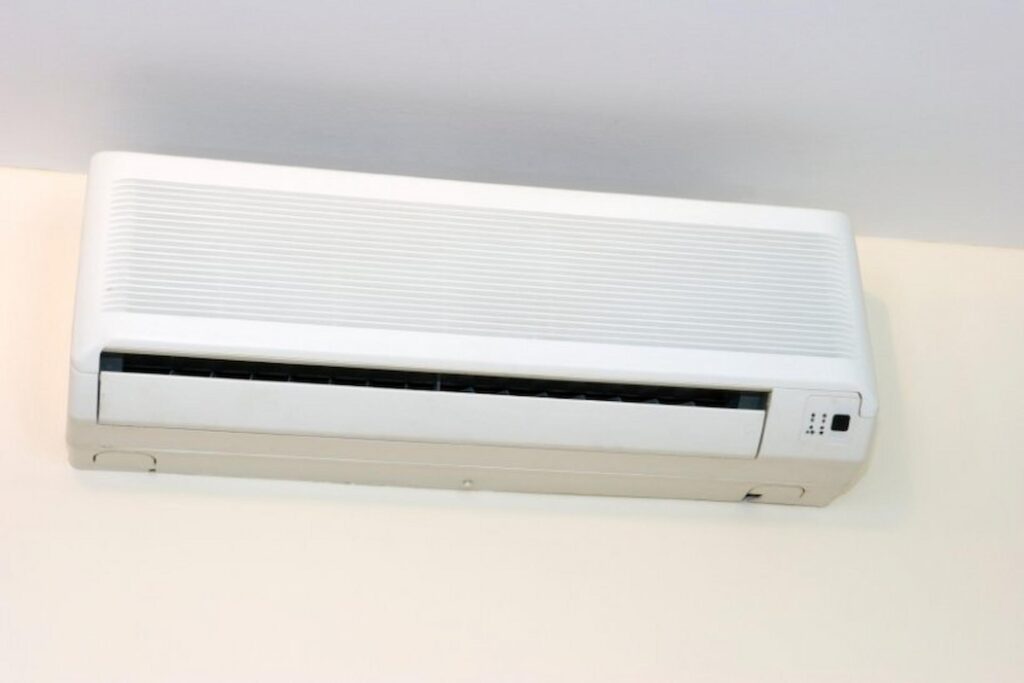
Ductless air conditioners, often called mini-split systems, operate without traditional ductwork. Instead, they use an outdoor condenser connected to one or more indoor air-handling units. Refrigerant lines carry heat between the units, allowing precise temperature control in individual rooms.
Because the system depends on direct airflow and sensitive internal components, even minor dirt build-up or mechanical strain can significantly affect performance. Unlike central systems that distribute air through ducts, ductless units rely on unobstructed airflow at every point. This makes cleanliness and routine servicing essential rather than optional.
Another key advantage is zoned cooling, which allows homeowners to control temperatures independently in different rooms. However, this also means each indoor unit requires individual attention during maintenance. If one unit becomes inefficient, the overall comfort balance of the home is affected.
The Most Common Maintenance Mistakes Homeowners Make
One of the biggest issues with ductless systems is the assumption that they are “maintenance-free.” This misunderstanding leads to several avoidable problems that reduce efficiency over time.
Many homeowners fail to:
- Clean or replace air filters regularly
- Inspect indoor units for dust accumulation
- Check the outdoor condenser for debris blockages
- Schedule annual professional servicing
- Monitor unusual performance changes early
Over time, these small oversights reduce system efficiency and increase energy consumption. What begins as a minor maintenance gap can quickly develop into uneven cooling, unpleasant odours, or even compressor strain. In many cases, homeowners only notice a problem once energy bills rise significantly or cooling becomes inconsistent.
Why Dirty Filters and Coils Reduce Efficiency
Air filters and evaporator coils play a vital role in maintaining airflow and heat exchange. When these components become dirty, the system must work harder to maintain the desired temperature.
This leads to:
- Reduced cooling performance across rooms
- Higher electricity usage throughout the month
- Increased strain on internal components
- Poor indoor air quality due to dust circulation
In severe cases, clogged filters can cause ice build-up on coils, which further reduces efficiency and may lead to system shutdown. This is one of the most common preventable issues in ductless systems and is often overlooked until performance drops noticeably.
Regular cleaning of filters every few weeks (depending on usage) is one of the simplest yet most effective maintenance steps homeowners can take.
The Importance of Outdoor Unit Care
The outdoor condenser is constantly exposed to environmental conditions such as dust, leaves, pollen, rain, and fluctuating weather. When debris accumulates, airflow becomes restricted, and heat cannot be released effectively. Homeowners should ensure:
- The surrounding area is kept clear of vegetation and clutter
- The unit is free from dust, leaves, and external blockage
- Condenser fins remain straight and undamaged
- Water drainage is not obstructed
Neglecting the outdoor unit often results in reduced cooling capacity and increased energy usage, particularly during peak summer months. Even partial blockage can significantly reduce system efficiency, forcing the compressor to work harder than necessary.
How Professional Maintenance Improves System Longevity
While basic cleaning can be done at home, professional maintenance provides a deeper level of system care. Technicians can identify issues that are not visible during routine inspections, such as refrigerant leaks, electrical faults, or sensor malfunctions. Regular servicing helps:
- Extend the lifespan of the system
- Improve overall energy efficiency
- Prevent unexpected breakdowns
- Maintain consistent indoor comfort
- Ensure safe system operation
Professional checks ensure that every component is functioning within optimal parameters. This reduces long-term repair costs and protects the investment homeowners make in their HVAC system.
Seasonal Maintenance Checklist for Homeowners
To maintain peak performance throughout the year, homeowners should follow a structured seasonal routine rather than reacting to problems after they appear.
Before summer:
- Clean filters and indoor units thoroughly
- Inspect outdoor condenser for debris
- Test cooling performance across all zones
- Check thermostat accuracy
Before winter or off-season:
- Clear leaves and dirt around outdoor unit
- Run a short system test cycle
- Inspect drainage lines for blockages
- Schedule professional inspection if needed
Consistency is key. A structured approach prevents performance decline and helps maintain steady energy usage throughout the year.
When to Call an HVAC Professional
While minor maintenance can be handled independently, certain warning signs indicate the need for expert attention. These include:
- Weak or uneven airflow from indoor units
- Unusual noises or vibrations
- Sudden spikes in energy bills
- Inconsistent temperature control between rooms
- Frequent system cycling or shutdowns
Ignoring these signs can lead to more serious mechanical issues. Professional intervention ensures problems are diagnosed accurately and resolved before they escalate into costly repairs or system failure.
Conclusion
Ductless air conditioning systems offer excellent efficiency, flexibility, and comfort, but only when properly maintained. Many of the most common performance issues arise not from system defects, but from preventable maintenance mistakes that accumulate over time. Regular filter cleaning, outdoor unit care, seasonal inspections, and timely professional servicing all contribute to smoother operation and lower energy costs. By adopting a proactive maintenance routine, homeowners can significantly extend system lifespan, reduce repair expenses, and maintain consistent indoor comfort throughout the year.