


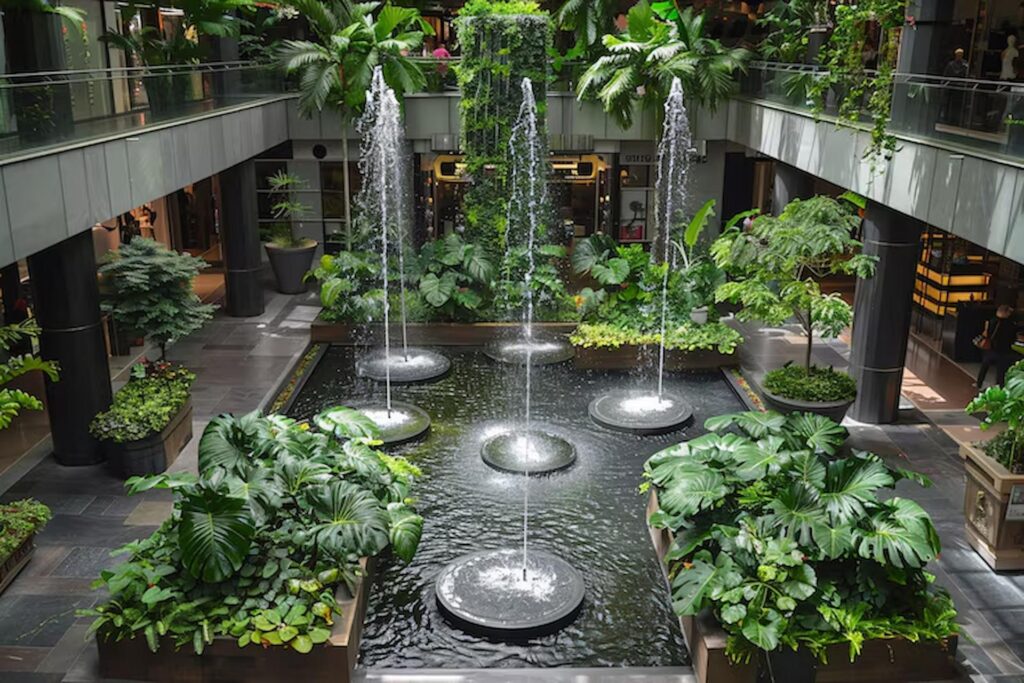
Outdoor spaces are no longer viewed as simple extensions of a property. Modern landscapes are becoming intelligent, sustainable, and highly functional environments that combine nature with advanced technology. From automated irrigation systems to smart lighting and climate-conscious garden planning, technology is changing how homeowners and businesses approach outdoor design. These innovations allow landscapes to become more efficient, environmentally responsible, and enjoyable while creating spaces that support modern lifestyles and changing expectations.
Property owners looking to transform their gardens and outdoor areas often choose to hire award winning Chartered Landscape Designers here because expert guidance helps integrate technology with creative landscape planning. Professional designers understand how digital solutions, sustainable materials, and innovative layouts can work together to create outdoor environments that are practical, visually appealing, and built for long-term enjoyment.
The Rise of Smart Landscaping Solutions
Smart landscaping combines traditional design principles with connected technology to improve the way outdoor spaces function. Sensors, automated systems, and digital controls allow landscapes to respond to environmental conditions rather than relying entirely on manual management.
Today’s smart gardens can monitor soil moisture, adjust watering schedules, control outdoor lighting, and support healthier plant growth. These features are especially valuable for homeowners who want attractive gardens while reducing water consumption and maintenance requirements.
Technology-Driven Outdoor Improvements
Modern landscaping technology includes:
- Automated irrigation systems
- Smart garden lighting controls
- Weather monitoring sensors
- Outdoor entertainment technology
- Energy-efficient landscape solutions
- Connected garden management applications
These innovations provide greater control and help create outdoor spaces that are easier to manage throughout the year.
Sustainable Landscaping Through Smart Design
Sustainability has become a major focus in contemporary landscape planning. Technology allows designers and property owners to make more informed decisions about resource usage, plant selection, and environmental impact.
Smart irrigation systems are one of the most effective examples. Traditional watering methods can waste significant amounts of water, while sensor-based systems adjust irrigation according to rainfall, soil conditions, and plant requirements.
For projects requiring a balance between innovation and environmental responsibility, many property owners choose to hire award winning Chartered Landscape Designers here to ensure technology supports both aesthetic goals and sustainable practices. Experienced landscape professionals can recommend solutions that complement the surrounding environment while improving efficiency.
Intelligent Lighting for Modern Outdoor Spaces
Outdoor lighting has evolved beyond basic security and visibility. Smart lighting systems now allow homeowners to customise brightness, timing, and colour settings through mobile devices or automated schedules.
Benefits of Smart Landscape Lighting
Modern lighting solutions can provide:
- Improved outdoor safety
- Energy savings through automation
- Enhanced evening usability
- Better property presentation
- Flexible lighting adjustments
Smart lighting also supports entertainment areas, pathways, gardens, and architectural features by creating a more engaging outdoor atmosphere.
Artificial Intelligence and Digital Planning Tools
Technology is also changing how landscapes are designed before construction begins. Digital planning software, 3D modelling, and artificial intelligence tools allow designers to visualise outdoor concepts with greater accuracy.
These technologies help clients understand how different plants, materials, layouts, and features will appear within a space. Digital models can also assist with planning drainage systems, sunlight exposure, and long-term plant growth.
Advantages of Digital Landscape Planning
Modern planning tools offer:
- Clear visual previews
- Better decision-making
- Improved project communication
- More accurate measurements
- Reduced design changes during construction
This approach creates a smoother process from initial ideas through to final installation.
Smart Water Management Systems
Water conservation is becoming increasingly important as climate conditions continue to influence landscaping choices. Smart water management technology helps maintain healthy gardens while reducing unnecessary consumption.
Rain sensors, moisture detectors, and automated controls allow irrigation systems to deliver water only when needed. This reduces waste and supports healthier plant development by preventing overwatering.
Features of Efficient Water Systems
Consider including:
- Soil moisture monitoring
- Automated watering schedules
- Rainfall detection technology
- Zone-based irrigation controls
- Water usage tracking
These solutions support sustainable gardening practices while helping property owners manage outdoor maintenance more effectively.
Outdoor Living Spaces With Connected Features
Modern landscapes are increasingly becoming multifunctional living areas. Homeowners now expect gardens to support relaxation, social activities, remote work, and entertainment.
Technology plays an important role in creating these adaptable outdoor environments. Features such as weather-resistant speakers, smart heating systems, automated blinds, and connected entertainment equipment allow outdoor spaces to be used throughout different seasons.
Creating Functional Outdoor Experiences
Smart outdoor living areas often include:
- Integrated entertainment systems
- Automated shade solutions
- Outdoor climate controls
- Comfortable seating arrangements
- Connected security features
These additions allow gardens to become more than decorative spaces by supporting everyday activities.
The Importance of Professional Landscape Expertise
Although technology offers many opportunities, successful smart landscaping requires careful planning. Poorly selected systems or unsuitable installations may create unnecessary costs and reduce the effectiveness of outdoor improvements.
Professional landscape designers combine technical knowledge with creative vision to ensure technology fits naturally into the overall design. They consider factors such as property layout, environmental conditions, maintenance requirements, and long-term usability.
Future Trends in Smart Landscaping
The future of outdoor design will continue to focus on sustainability, automation, and personalised experiences. Emerging technologies such as advanced environmental sensors, renewable energy integration, and automated garden management systems are expected to become increasingly common.
Smart landscaping will also support biodiversity by helping property owners create healthier ecosystems. Technology can assist with selecting suitable plants, monitoring environmental conditions, and improving resource efficiency.
Preparing Outdoor Spaces for Tomorrow
Future-focused landscaping will prioritise:
- Eco-friendly materials
- Automated maintenance systems
- Climate-responsive planting
- Renewable energy solutions
- Data-driven garden management
These trends demonstrate how technology is helping create outdoor environments that are both attractive and environmentally responsible.
Smarter Outdoor Futures
Technology is redefining modern landscaping by bringing together creativity, sustainability, and intelligent solutions. Smart irrigation, digital planning tools, automated lighting, and connected outdoor features are transforming how people experience gardens and outdoor areas. With professional planning and the right technology, landscapes can become more efficient, practical, and enjoyable. As smart landscaping trends continue to develop, property owners can create outdoor spaces that support modern lifestyles while promoting environmental responsibility and long-term value.