


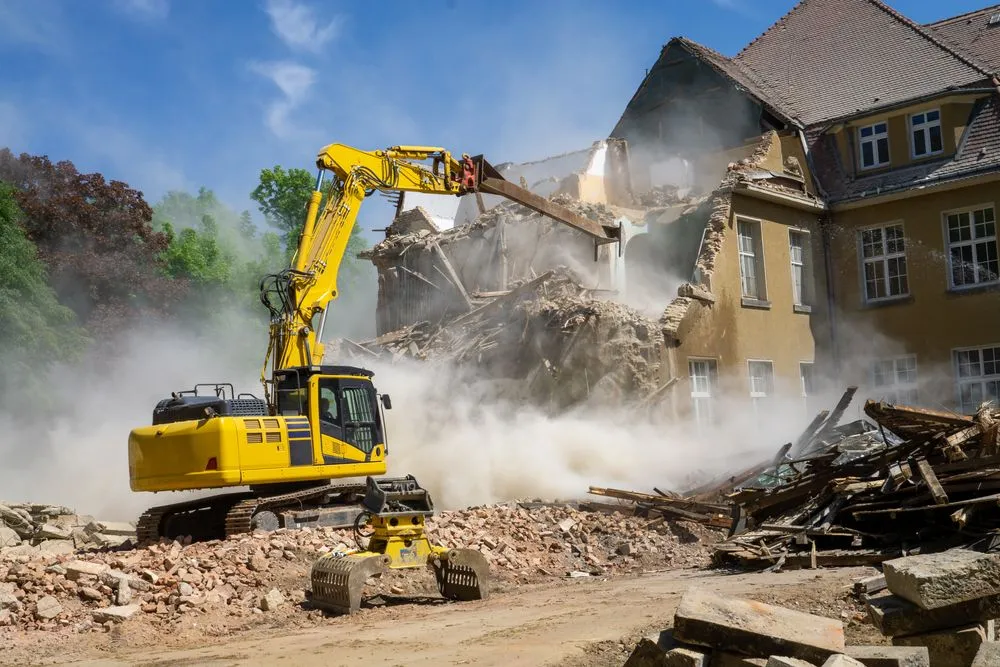
When it comes to tearing down structures, not all demolition projects are created equal. Residential and commercial demolition services differ in scale, complexity, safety measures, and legal requirements. Understanding these differences can help you choose the right approach for your property project.
Demolition may sound straightforward — knock down a structure and clear the debris. However, the reality is far more complex. The type of project, its size, location, safety standards, and even legal requirements can drastically change the approach. Whether you’re removing an old home to make way for a new build or clearing a multi-storey office block, understanding the differences between demolition services for residential and commercial projects is crucial. These distinctions not only affect the cost and timeline but also determine the safety protocols, equipment used, and expertise required.
1. Project Scale and Complexity
One of the most obvious differences between residential and commercial demolition lies in the scale and complexity of the project.
- Residential demolition typically involves smaller structures like houses, garages, sheds, or extensions. These projects are relatively straightforward and can often be completed in days or weeks.
- Commercial demolition, on the other hand, deals with much larger buildings — warehouses, office towers, retail units, or industrial plants. These require detailed planning, heavy machinery, and often months of work due to the scale and structural complexity.
Commercial projects may also involve phased demolition, where parts of a building are removed while other sections remain operational — a complexity rarely encountered in residential jobs.
2. Equipment and Techniques Used
The equipment used in demolition varies significantly between residential and commercial work.
- Residential projects often use smaller machinery such as mini-excavators, skid steers, and handheld tools. Manual labour is sometimes enough for smaller jobs.
- Commercial demolition requires heavy-duty equipment like high-reach excavators, wrecking balls, hydraulic crushers, and cranes. In some cases, controlled explosives are used to bring down large structures efficiently and safely.
Techniques also differ. Residential demolition is often complete removal, while commercial projects may use selective demolition to dismantle certain areas without disturbing adjacent structures or infrastructure.
3. Safety Standards and Regulations
Safety is a top priority in all demolition projects, but the level of regulation intensifies with commercial work.
- Residential demolition requires standard safety protocols, including securing the site, disconnecting utilities, and removing hazardous materials like asbestos.
- Commercial demolition faces far stricter regulations due to higher risks and the presence of complex infrastructure, such as electrical systems, gas lines, and hazardous substances. Compliance with health and safety laws, environmental protection standards, and local authority permits is mandatory.
Because commercial projects often take place in populated urban areas, additional measures are needed to protect neighbouring properties and the public.
4. Environmental and Waste Management Considerations
Sustainable practices are increasingly vital in demolition services, especially with growing emphasis on environmental responsibility.
- Residential demolition generates less waste and often involves straightforward disposal or recycling of materials like bricks, wood, and metals.
- Commercial demolition, however, produces vast amounts of debris, sometimes including hazardous waste. It requires comprehensive waste management plans, recycling strategies, and adherence to environmental regulations. Materials such as steel, concrete, and glass are often salvaged for reuse, reducing landfill impact and lowering costs.
5. Cost and Timeframe
Budget and timeline expectations differ greatly between the two types of demolition.
- Residential demolition is generally less expensive due to smaller scale, simpler methods, and fewer regulatory hurdles. Most projects are completed within a few days to a few weeks.
- Commercial demolition is a significant financial investment. Costs can run into hundreds of thousands, depending on the structure’s size, location, and complexity. These projects also take considerably longer — from several weeks to many months — due to the need for planning, phased work, and strict safety inspections.
6. Planning and Permits
Permits and planning are essential for any demolition, but the requirements become more stringent with commercial projects.
- Residential demolition usually involves obtaining a straightforward permit from the local council, ensuring compliance with zoning and safety regulations.
- Commercial demolition demands extensive documentation, including environmental impact assessments, structural surveys, and detailed project plans. Multiple agencies may be involved, and approval processes can be lengthy.
7. Expertise and Workforce
Lastly, the level of expertise required is another key differentiator.
- Residential demolition can often be handled by smaller, general contractors experienced in home projects.
- Commercial demolition requires a team of specialists — engineers, safety officers, project managers, and environmental consultants — working together to ensure precision, safety, and compliance.
This professional oversight is necessary due to the increased risks, technical challenges, and potential consequences of large-scale demolition work.
Conclusion:
Understanding the differences between residential and commercial demolition services is vital for a safe, efficient, and compliant project. Residential projects are typically smaller, quicker, and less complex, while commercial demolitions demand significant planning, resources, and expertise. Whether you’re preparing a site for a new home or clearing space for a large-scale development, selecting a demolition contractor experienced in your type of project ensures smoother execution, better safety outcomes, and long-term peace of mind.