


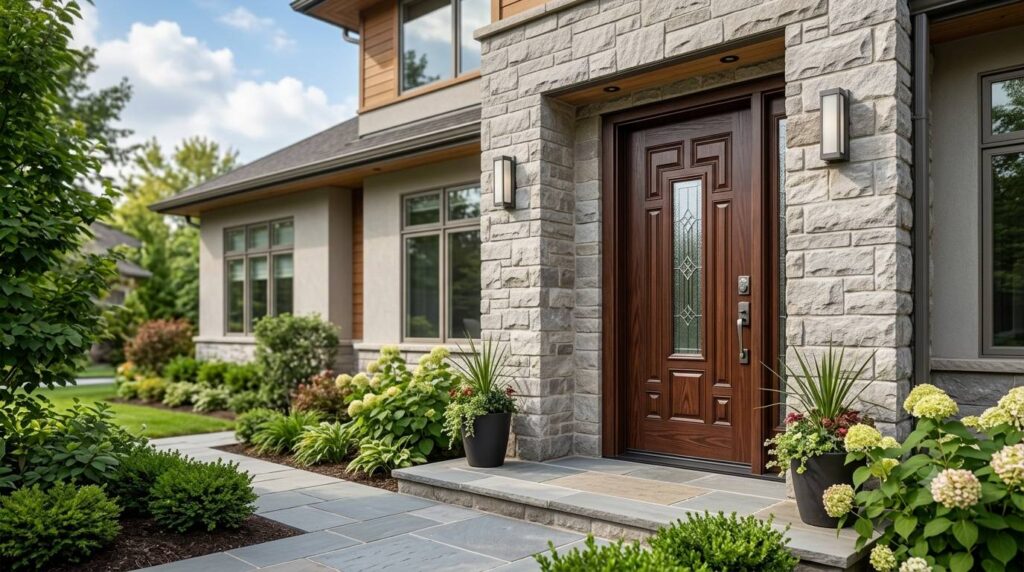
Exterior doors do more than provide access to your home. They also help protect the property from wind, rain, flying debris, unwanted entry, and everyday wear. In areas where severe weather can occur, impact-resistant doors can offer an additional level of protection, making careful product selection especially important.
When comparing impact doors largo fl, homeowners should look beyond appearance and consider construction quality, testing standards, frame strength, glazing, hardware, and installation requirements. Choosing a door that suits the property and local conditions can improve security, durability, and long-term performance.
Check the Door’s Impact Rating
An impact-resistant door should be designed and tested to withstand forces associated with severe weather and flying debris. Before choosing a product, check whether the door has been tested according to recognised standards that apply in your area. Product documentation should clearly state the relevant approvals, testing information, and intended use.
For homeowners considering impact doors largo fl, confirming local building requirements is particularly important because regulations can vary between regions. A door may appear strong but still be unsuitable if it does not meet the standards required for the property. Always verify certification rather than relying solely on marketing descriptions.
Consider the Strength of the Door Material
The material used to manufacture an exterior door has a major influence on its strength and durability. Common options include fibreglass, steel, aluminium, and reinforced composite materials. Each has different benefits in terms of maintenance, weather resistance, appearance, and long-term performance.
Steel may provide excellent strength but can require protection against corrosion, while fibreglass can offer good durability with relatively low maintenance. Aluminium and composite designs may also be suitable depending on the construction and testing of the complete door system. Focus on proven performance rather than material alone.
Examine the Frame and Reinforcement
A strong door is only effective when supported by a properly designed frame. The frame, hinges, fasteners, and surrounding structure all contribute to how well the complete system performs during high winds or impact. Weak attachment points can reduce the effectiveness of an otherwise well-built door.
Look for reinforced frames and robust fixing systems designed for the weight and strength of the door. The frame should also fit the opening correctly, with no unnecessary gaps or movement. Professional installation can help ensure the door and frame work together as intended.
Look Closely at Impact-Resistant Glass
Many exterior doors include glazed panels for natural light and visual appeal. If the door contains glass, the glazing should be designed for impact resistance rather than using ordinary glass. Impact-rated glazing is typically engineered to remain more secure when subjected to strong forces.
When reviewing glazed doors, check important details such as:
- Whether the glass is impact rated
- Whether the complete door assembly has been tested
- The strength of the surrounding glazing frame
- The type of protective interlayer used
- Whether the glazing meets applicable local requirements
Review Locks and Hardware
Door security depends heavily on the quality of the locks, hinges, handles, and other hardware. Impact-resistant construction should be supported by components strong enough to keep the door securely positioned during normal use and challenging weather conditions.
Look for sturdy hinges, secure locking points, and corrosion-resistant hardware suitable for exterior exposure. Multi-point locking systems may also provide additional support by securing the door at several positions. Hardware should operate smoothly while keeping the door firmly aligned with its frame.
Consider Weather Resistance
Impact protection is important, but an exterior door must also cope with rain, humidity, sunlight, and temperature changes. Poor sealing can allow draughts or moisture to enter around the edges, reducing comfort and potentially affecting nearby materials.
Check the quality of weather seals, thresholds, and exterior finishes. Materials and coatings should be suitable for the local climate and intended exposure. Regular maintenance may still be necessary, so ask what cleaning, inspection, or refinishing the manufacturer recommends.
Think About Energy Performance
Exterior doors can influence how easily heat moves between the inside and outside of a home. Features such as insulated cores, quality weather stripping, and energy-efficient glazing may help reduce unwanted heat transfer and improve indoor comfort.
When comparing products, review available energy-performance information alongside impact ratings. A well-designed door should balance strength, weather resistance, and thermal performance without compromising its primary protective purpose.
Make Installation Part of the Decision
Even a high-quality impact-resistant door may not perform properly if installed incorrectly. Accurate measurements, correct fasteners, suitable sealing, and secure anchoring are essential parts of the complete system.
Choose an installer familiar with impact-rated doors and applicable local requirements. Ask how the existing opening will be assessed, how the frame will be secured, and whether any structural adjustments are necessary before installation begins.
Final Takeaways
Choosing an impact-resistant exterior door involves more than selecting an attractive design. Homeowners should consider impact testing, materials, frame strength, glazing, hardware, weather resistance, energy performance, and installation quality when comparing available options.
Taking time to review product documentation and installation requirements can help you choose a door suited to your property and local conditions. A properly selected and correctly installed door can provide reliable protection while supporting security, comfort, and durability for years to come.