


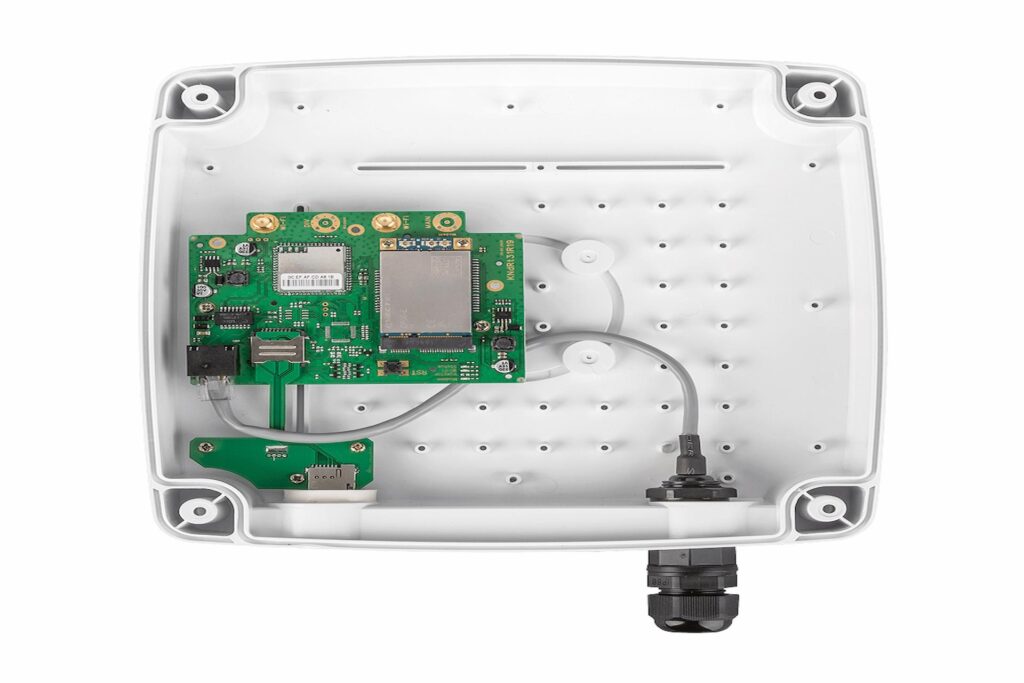
Electronic devices are part of daily life. They are used at home, at work, and outdoors. Phones, tablets, control panels, sensors, and computers all depend on clean and dry conditions to work properly. However, water and dust are constant threats. Even small exposure can lead to faults, data loss, or total failure. Understanding how to protect devices is essential for long-term reliability and safety.
Why Water and Dust Are Serious Risks
Water and dust may seem harmless at first. In reality, they are among the most common causes of electronic damage.
Water can enter small openings and cause short circuits. Moisture also leads to corrosion over time. This weakens connections and reduces performance. Dust creates a different problem. It can settle inside devices, block airflow, and cause overheating. Fine dust may also damage sensitive parts and reduce accuracy.
Together, water and dust shorten the lifespan of electronic equipment. They also increase repair costs and downtime. Therefore, prevention is always better than repair.
Understanding Where the Risk Comes From
Before choosing protection, it helps to understand the environment.
Electronics are exposed to water and dust in many situations:
- Outdoor locations with rain, humidity, or wind
- Industrial areas with dirt, debris, or airborne particles
- Construction sites with constant dust movement
- Kitchens, bathrooms, or wash-down areas
- Transport systems exposed to weather and vibration
Each environment brings different risks. As a result, protection methods must match real conditions.
Use Protective Enclosures for Strong Defence
One of the most reliable ways to prevent damage is to house electronics inside sealed enclosures. These enclosures act as a physical barrier between the device and its surroundings.
High-quality enclosures are designed to prevent water spray, splashes, and dust from entering. They are often used in factories, outdoor installations, and public spaces. If selected correctly, they can protect devices for many years.
Many professionals Protect your electronic devices with waterproof enclosures because they offer consistent protection without affecting performance. When devices are sealed properly, they can operate safely even in harsh conditions.
Choose the Right Materials
Not all enclosures offer the same level of protection. Material choice matters.
Common enclosure materials include:
- Plastic, which is lightweight and corrosion-resistant
- Metal, which provides strength and added impact protection
- Coated materials that resist moisture and wear
The right material depends on the location. Outdoor and industrial settings often require stronger materials. Indoor areas may allow lighter options.
In addition, seals and gaskets are just as important as the enclosure body. Poor sealing can let in moisture and dust, even if the outer shell looks strong.
Manage Cable and Connection Points
Water and dust often enter through cable openings. This is a common weak point.
To reduce risk:
- Use sealed cable glands
- Keep cable openings tight and secure
- Avoid unused holes or gaps
- Route cables downward where possible to prevent water flow
By protecting connection points, you reduce one of the main causes of internal damage.
Control Moisture Inside the Enclosure
Even sealed enclosures can trap moisture inside. Temperature changes can cause condensation. Over time, this moisture may still harm electronics.
Simple steps can help:
- Use moisture-absorbing packs
- Allow pressure release while blocking water entry
- Inspect seals regularly for wear
These actions help maintain a dry internal environment and improve long-term reliability.
Reduce Dust Build-Up Through Design
Dust control is not only about blocking entry. It also involves good design choices.
Helpful practices include:
- Keeping ventilation openings protected
- Using filters where airflow is needed
- Avoiding flat surfaces where dust can settle
- Cleaning external surfaces regularly
When dust is managed well, devices stay cooler and work more efficiently.
Apply Protective Coatings When Needed
In some cases, extra protection is required. Protective coatings can be applied directly to electronic parts. These coatings create a thin layer that resists moisture and dust contact.
This method is useful for devices that cannot be fully enclosed. However, it should be seen as an added layer, not a replacement for proper housing.
Many organisations Protect your electronic devices with waterproof enclosures first, then use coatings as additional security in high-risk environments.
Perform Regular Inspection and Maintenance
Protection is not a one-time task. Over time, seals can wear out, and fittings may loosen.
Routine checks should include:
- Inspecting seals and joints
- Checking for cracks or damage
- Cleaning external dust build-up
- Confirming doors and latches close tightly
Regular maintenance helps detect problems early and prevents sudden failures.
Match Protection to Device Use
Not every device needs the same level of protection. A sensor outdoors needs stronger protection than a desktop computer in an office.
When planning protection, consider:
- How often the device is exposed
- Whether it is critical to operations
- How costly would downtime be
- How easy is it to access for maintenance
Matching protection to actual risk ensures both safety and cost efficiency.
Conclusion
Protecting electronic devices from water and dust is essential for performance, safety, and long-term value. Water causes corrosion and short circuits, while dust leads to overheating and internal damage. Both risks are common in everyday environments.
The most effective approach combines physical protection, smart design, and regular care. Sealed housings, proper cable management, moisture control, and routine inspection all play key roles. When protection is planned properly, devices last longer and perform more reliably.
Investing time in prevention reduces costly repairs and unexpected failure. In many environments, strong protective enclosures remain the most dependable solution for keeping electronics safe and operational.