


Not every renovation pays for itself in the same way. The projects that deliver the most lasting value usually improve how a home works every day while also strengthening its durability, efficiency, and appeal to future buyers. The best improvements serve the people living there now and keep the property competitive later.
This guide looks at renovations through both a lifestyle and investment lens. It helps you prioritize work that raises comfort and function without chasing trends that fade or over-improving beyond the local market.
What “Lasting Value” Really Means
Value comes from several places at once. A well-planned kitchen makes cooking easier and helps the home show better when it is time to sell. Better insulation lowers energy bills and keeps rooms more comfortable year-round. Updated lighting improves daily use and makes spaces feel brighter and larger.
Return on investment is never guaranteed. It depends on the condition of the house, the quality of the work, local buyer preferences, and how long you stay. A high-end finish that fits one neighborhood may feel out of place in another. Focus first on solid function, durability, and broad appeal rather than the most expensive materials.
High-Impact Areas That Serve Both Living and Resale
Kitchens and bathrooms remain the strongest candidates for meaningful upgrades. Improving layout, storage, lighting, and surfaces often delivers daily convenience and stronger buyer interest. Full luxury remodels can be worthwhile if the rest of the home supports them; more modest updates to cabinets, counters, fixtures, and ventilation frequently offer a better balance of cost and benefit.
Storage and organization reduce clutter and make homes feel larger. Built-in solutions, better closet systems, and thoughtful cabinetry improve daily life and photograph well. Buyers notice when a home has places for everything.
Flooring sets the tone for entire rooms. Durable, low-maintenance materials that suit the climate and lifestyle hold up better than short-lived trends. Consistent flooring across main living areas can make a home feel more cohesive and spacious.
Insulation, windows, and air sealing improve comfort and lower operating costs. New or properly installed windows reduce drafts and noise. Attic and wall insulation upgrades often pay ongoing dividends in energy savings and quieter, more stable indoor temperatures. These improvements also support better indoor air quality when paired with good ventilation.
Lighting transforms how spaces feel and function. Layered, energy-efficient lighting with dimmers or simple controls makes rooms more usable and inviting. It is one of the more affordable ways to raise perceived quality.
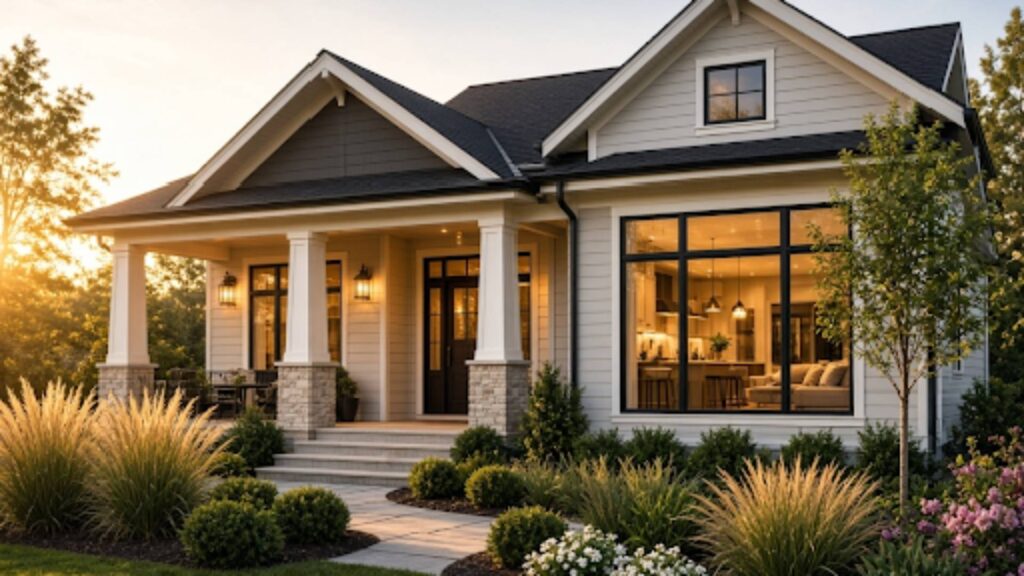
Exterior maintenance and curb appeal influence first impressions and protect the structure. Roofing, siding, painting, landscaping, and entry updates that look cared-for signal that the home has been maintained. Functional improvements such as better drainage or solid exterior lighting add practical value.
Accessibility and flexible living spaces future-proof a home. Features that support aging in place—wider doorways, better lighting, accessible bathrooms, or main-floor living options—serve current residents and appeal to a wider range of buyers. Flexible rooms that can shift between office, guest space, or hobby use adapt as needs change.
Selected smart-home infrastructure—reliable wiring, good Wi-Fi coverage, and simple, widely compatible controls—can improve daily convenience without locking the home into proprietary systems that may become outdated.
Efficiency and Sustainability That Hold Value
Energy-efficient upgrades often deliver dual benefits. Lower utility bills improve monthly comfort and can make a home more attractive in markets where operating costs matter. Sustainable choices such as durable materials, better insulation, efficient water fixtures, and responsible waste handling during renovation reduce long-term environmental impact and maintenance needs.
Focus on measures with clear performance gains rather than labels alone. Quality installation matters as much as the product itself.
Balancing Personal Needs With Market Realities
Start with how you live. If the kitchen frustrates you every day, improving it will raise your quality of life even if the resale return is moderate. If you plan to move within a few years, lean toward updates with broader appeal and solid construction quality.
Avoid over-improving relative to the neighborhood. A very high-end bathroom in a modest housing stock may not return its full cost. Likewise, highly personal design choices can limit the buyer pool. Neutral, well-executed finishes with good materials tend to travel better across different tastes.
Quality of workmanship consistently outperforms square footage of finish. Clean execution, proper waterproofing, solid electrical and plumbing work, and durable materials protect both daily comfort and future value.
Maintenance and Future-Proof Planning
Improvements only hold value if they are maintained. Choose materials and systems that match your willingness and ability to care for them. Simple, robust solutions often outlast complex ones that require constant attention.
Plan for change. Households evolve. Features that support different stages of life—storage that adapts, lighting that can shift mood, spaces that can be reconfigured—continue delivering usefulness even when priorities shift.
Frequently Asked Questions
Which home improvements usually offer the strongest combination of comfort and resale appeal?
Kitchen and bathroom updates that improve function and appearance, exterior maintenance that protects the structure and improves curb appeal, and efficiency upgrades such as insulation and windows tend to serve both current living and future marketability well when executed to a solid standard.
Should I renovate for myself or for the next buyer?
Do both in proportion to your timeline. Prioritize changes that solve real daily problems for you. When choosing finishes and scope, keep an eye on what is typical and desirable in your local market so the work remains broadly appealing.
Do energy-efficient upgrades really add value?
They often improve comfort and reduce operating costs, which many buyers notice. In some markets they also support stronger appraisals or faster sales, especially when documentation of performance is available. Results vary by climate and local preferences.
Is it better to do one major project or several smaller ones?
It depends on budget, disruption tolerance, and how long you plan to stay. A single well-executed kitchen or exterior update can transform daily life and presentation. Spreading work over time can make costs more manageable while steadily raising the home’s condition.
How important is professional workmanship?
Very. Poor installation of even expensive materials can create maintenance problems and reduce both comfort and resale confidence. Qualified professionals for structural, plumbing, electrical, waterproofing, and complex systems protect the investment.
Conclusion
The home improvements that add lasting value are those that make daily life more comfortable and efficient while strengthening the property’s durability and broad appeal. Focus on function, quality, and realistic market context rather than the most dramatic or expensive options. When kitchen and bathroom updates, storage, flooring, efficiency measures, lighting, exterior care, and thoughtful accessibility features are planned with both present needs and future flexibility in mind, the result serves the household now and keeps the home competitive later. Measured, well-executed work consistently outperforms flashy projects that ignore how people actually live and what local buyers value.